
Our use cases
Explore CIRCUIT’s real-world pilots across the 8 European clusters

Construction & Buildings

To tackle the challenge of linking decarbonization and circularity in industrial sites, we are bringing our solutions to life by testing them directly in real-world settings. By engaging a diverse group of local stakeholders, we create local clusters that recognize and respect the unique nature of each ecosystem.
Our pilot regions represent the full diversity of Europe:
Urban areas
Where industrial sites are integrated into the surrounding urban fabric.
Rural/peri-urban areas
Where nearby industrial hubs dynamically interact with the city.
Remote islands
Where communities face unique coastal and geographic challenges.
The role of the pilot sites
To maximize our impact, our pilots’ team-up and will work together in two complementary roles:
The Pioneers
Demonstrators
Cities that are already leading the way in European climate action. They will build, test, and refine our tools and solutions on the ground.
The Adopters
Replicators
Regions looking to upgrade their sustainability planning. They will take the successful strategies proven by our pioneers and replicate them in their own communities.

PORTUGUESE CLUSTER
Driving circular and climate-neutral transitions in island regions
USE CASE Municipality of Lagoa
COUNTRY Portugal
PARTNERS FRCT, SIMBIENTE, LAGOA
TYPE insular
VALUE CHAIN  food,
food,  water and nutrients
ROLE demonstrator
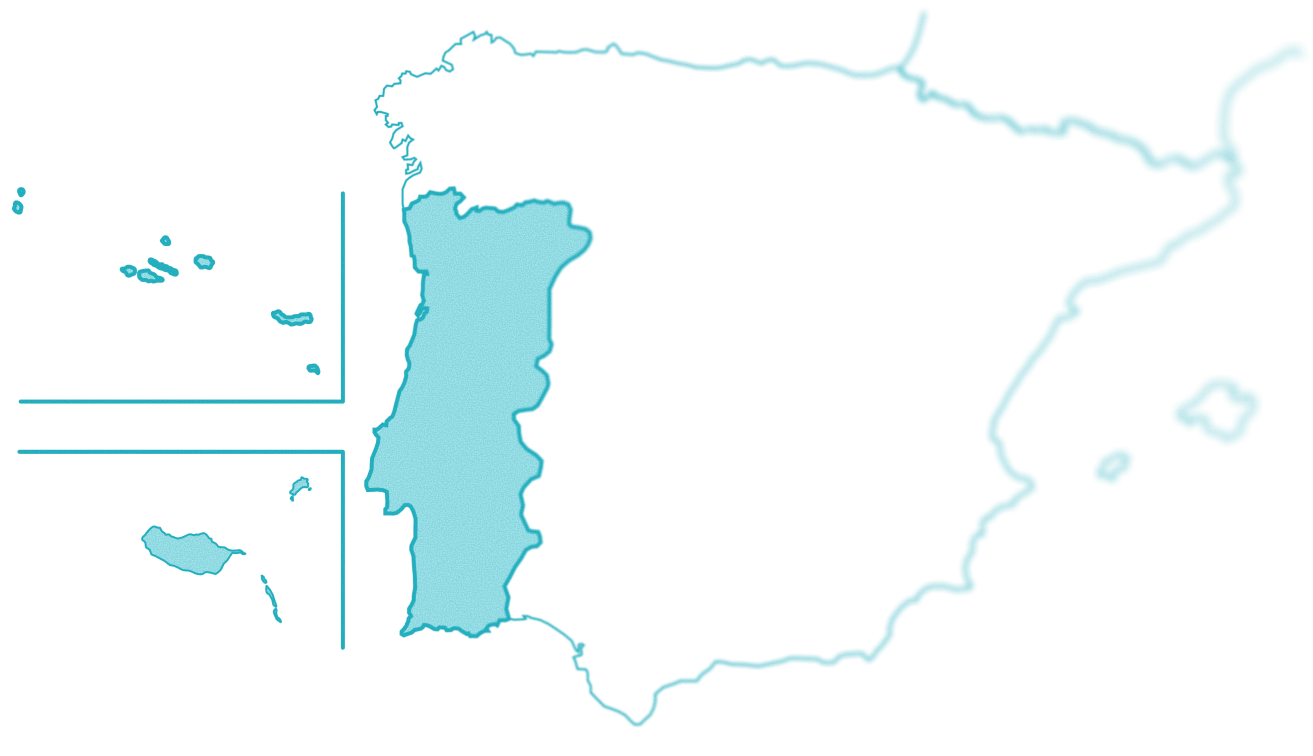
SITES
1. Traditional industry Portões Vermelhos, 2. Reconversion industry Avenida Litoral, 3. Technological industry Tecnoparque
Our Objective
Test governance and circular innovation tailored to low-density, resource-constrained island territories, aiming to enable industrial-urban symbiosis, resource efficiency, and climate neutrality.
Our Solutions
- Tracking our footprint: Mapping local industrial energy and material use to guide smarter, greener city planning.
- Community-led solutions: Bringing together industrial stakeholders, local authorities and experts to collaboratively design green solutions. These ideas will be tracked and managed using new digital tools, like the Lagoa Circularity Dashboard.
- The “Circular Lagoa” Challenge: Inviting citizens and startups to pitch climate action ideas, rewarding the best with a local Circularity Badge.
- Education through gamification: Bringing interactive initiatives into schools promoting circular economy principles and engaging teachers and students to real-world circularity challenges.
- A Pact for circular economy: Uniting all sectors of society under a single, strategic commitment to sustainability.
- Circular public procurement: Training government officials and suppliers on green public purchasing
- Sharing business resources: Identifying ways local businesses (especially in agri-food) can share resources and turn waste into valuable materials.
FINNISH CLUSTER
Pioneering zero-waste construction and urban renewal
USE CASE Kiviruukki industrial area in western Espoo
COUNTRY Finland
PARTNERS ESPOO, SPOLIA, VTT, LOTUS, SRV
TYPE urban
VALUE CHAIN  Construction and buildings
ROLE demonstrator

Our Objective
Test governance and circular innovation tailored to urban areas where industrial sites are transforming into high-density residential use, aiming to enable industrial-urban symbiosis, resource efficiency, and climate neutrality.
Our Solutions
- Smart technology & data: Using Artificial Intelligence and mobile platforms to monitor infrastructure and predict the most efficient ways to use resources.
- Collaborative governance: Engaging local stakeholders and testing new business models to make joint, eco-friendly procurement easier.
- Resource networking: Using and enhancing digital matching platforms that easily connect buyers and sellers of recycled building materials.
- Optimizing material: Streamlining processes to ensure that secondary, recycled materials move efficiently through the market.
- Building Green Skills: Offering training and tools to equip the local workforce with the skills needed for the future of sustainable construction.
SWEDISH CLUSTER
Building a smart, zero-waste food ecosystem
USE CASE Umea Eco Industrial Park
COUNTRY Sweden
PARTNERS UMEA, RISE, UEAB, UMEAU
TYPE urban
VALUE CHAIN food, water and nutrients
ROLE demonstrator

Our Objective
Bring high-tech, sustainable food production right into the heart of the city's Eco-Industrial Park. By relocating and upgrading an innovative fish and shrimp farming facility, we are creating a fully circular food production model powered by smart technology, recycled heat, and organic waste.
Our Solutions
- Smart technology & data: Combining smart sensors, AI, and virtual digital twins, to continuously monitor and optimize the facility’s energy, water, and feed in real-time to eventually maximize efficiency and eliminate waste.
- Strengthening local food supply: Building a more reliable and resilient urban food network.
- Creating green jobs: Providing new employment and training opportunities in emerging sustainable sectors.
- Connecting city infrastructure: Integrating seamlessly with existing district heating and logistics networks.
- Community engagement: Boosting public trust and acceptance through educational outreach and culinary innovation.
SPANISH CLUSTER
Driving climate‑smart industry and regenerative development
USE CASE Industrial site (ZfV) in Municipality of Vigo
COUNTRY Spain
PARTNERS CTAG, UVIGO, ZfV, FUNDARIA
TYPE urban
VALUE CHAIN  Batteries and vehicles
ROLE demonstrator

Our Objective
Transform industrial and technology parks into models of sustainability. Our objective is to rethink how people and goods move, reduce industrial waste, and build a greener, more resource-efficient local economy.
Our Solutions
- Smarter, greener transit: Redesigning the flow of traffic between the city, the suburbs, and the industrial parks. By optimizing how people and freight move, we are making daily commutes and logistics cleaner and more sustainable.
- Recycling automotive waste: Mapping the specific waste and by-products generated by the factories and developing ways to refine and recycle these materials so they can be reused directly in the production of new vehicles.
- Community-driven innovation: Bringing together businesses, researchers, local government, and citizens to brainstorm solutions and promote green entrepreneurship, while also hosting training sessions to inspire community-led climate action.
- Smart sensors & virtual testing: Installing smart sensors to monitor environmental health across the industrial parks. Using this data, we are building a digital twin to safely simulate and test new green strategies before spending the money to build them in the real world.
- Improving environmental comfort: Using advanced thermal and acoustic technology to map heat and noise levels across the sites, laying the groundwork for targeted workplace improvements.
ITALIAN CLUSTER
Advancing circular energy management in the textile district
USE CASE City of Prato
COUNTRY Italy
PARTNERS PRATO
TYPE urban
VALUE CHAIN  Textiles
ROLE demonstrator

Our Objective
Build a pioneering model for green energy by creating a "renewable energy community" where local businesses work together to generate clean power, recycle waste heat, and manage their resources intelligently.
Our Solutions
- Shared solar power: Installing collective solar panels, both on factory rooftops and the ground, to generate clean, local energy for the district.
- Recycling waste heat: Building a local network that captures excess heat produced by one factory and shares it with others that need it, eliminating massive energy waste.
- Smart energy trading: A new digital platform will allow the sites to monitor their power use in real-time and automatically trade energy with one another. This helps the network use as much of its own clean energy as possible, reducing their reliance on the external power grid.
- A community cooperative: This initiative will be run as a democratic cooperative. This ensures that participating businesses have an equal voice and that shared savings are reinvested directly back into upgrading local infrastructure.
- Training local businesses: Providing targeted training and support to small and medium-sized enterprises (SMEs), giving them the exact skills they need to adopt these modern green energy practices.
IRISH CLUSTER
Building a regional hub for green innovation
USE CASE Balbriggan – North County Dublin region
COUNTRY Ireland
PARTNERS FINGAL, TCD
TYPE rural/peri-urban
VALUE CHAIN construction and buildings,  food
food
ROLE replicator
DEMONSTRATOR(S) Espoo, Prato

Our Objective
Help local companies officially team up to share resources, reduce waste, and build a stronger, more connected industrial network.
Our Solutions
- Zero-waste construction: By adopting Espoo’s cutting-edge solutions for circular demolition and construction, we aim to drastically improve how building materials are recovered and reused across the region.
- Shared energy networks: By mirroring Prato’s innovative community energy-sharing models, we aim to develop smart energy initiatives that reduce the strain on the national power grid.
- Spurring green business: Setting up new, innovative business models that encourage the growth of eco-friendly startups and enterprises.
- Lowering material costs: Making it cheaper and easier to source secondary, recycled materials for both the local construction and food industries.
- Building local expertise: Equipping the community and local workforce with the practical skills and training needed to thrive in a zero-waste economy.
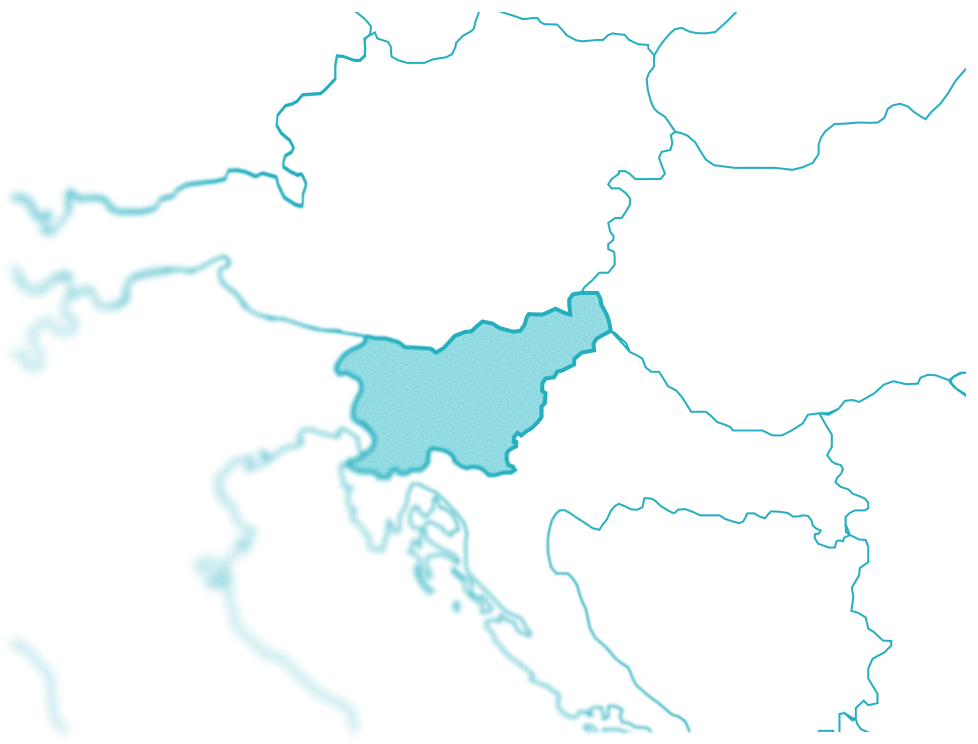
SLOVENIAN CLUSTER
Building a connected, zero-waste business network
USE CASE Industrial Zone Tezno, Maribor
COUNTRY Slovenia
PARTNERS MOM, NIGRAD, UMAR
TYPE urban
VALUE CHAIN Constuction & buildings
ROLE replicator
DEMONSTRATOR(S) Espoo
Our Objective
Help local companies officially team up to share resources, reduce waste, and build a stronger, more connected industrial network.
Our Solutions
- Smart digital tools: Rolling out digital matching platforms, mobile apps, and AI to easily connect businesses that want to buy, sell, or share recycled materials and resources.
- Streamlining material reuse: Optimizing how local waste is managed and processed to create a clear, transparent, and highly efficient market for secondary (recycled) materials.
- Connecting the community: Fostering strong, active collaboration between local stakeholders to build a coordinated network where nothing goes to a landfill.
- Driving green business: Developing supportive local policies and innovative business models that make sustainable practices both profitable and easy to adopt.
GREEK CLUSTER
Building a smart, zero-waste food and water network
USE CASE Kozani – Region of Western Macedonia
COUNTRY Greece
PARTNERS RDFWM, UOWM
TYPE rural
VALUE CHAIN food,  water and nutrients
ROLE replicator
DEMONSTRATOR(S) Umea, Lagoa

Our Objective
Bridge the gap between city institutions and local agriculture. By connecting institutional food waste to local farming, minimizing water use, and introducing smart purchasing systems to prevent over-ordering, we are building a zero-waste network that saves both resources and money.
Our Solutions
- Tracking resource flows: Mapping exactly how food and water move through the region. This clear data helps us identify the best opportunities to cut waste and reduce carbon emissions.
- Connecting local businesses: Conducting a targeted study across Kozani and neighboring towns to uncover how local food and agriculture businesses can actively share resources and turn each other’s organic waste into valuable new materials.
- Smart digital dashboards: Building integrated digital platforms that monitor infrastructure health, track performance in real-time, and help local leaders make smarter, data-driven decisions.
- AI-powered optimization: Using AI to automatically optimize agricultural feed, manage energy consumption, and find the absolute most efficient ways to recycle local waste
- Building local expertise: Equipping the community and local workforce with the practical skills and training needed to thrive in a zero-waste economy.